Best Male Enhancement Pills UK: Zinc, Magnesium and Vitamin D
Quick Answer: Do These Three Nutrients Support Male Vitality?
Zinc, magnesium and vitamin D each have a defensible role in male vitality, but only in men who are actually short of them. Correcting a shortfall can restore normal function; taking more once your levels are adequate has not been shown to push anything above normal. That distinction is the whole story, and it is the part the category tends to leave out.
- Zinc: the clearest deficiency link. Reference intake around 9.5–11 mg a day for men.
- Magnesium: the strongest practical case is sleep and muscle function, not hormones directly.
- Vitamin D: a consistent association in observational data, far weaker when tested as an intervention.
Search for the best male enhancement pills UK shoppers are comparing and you will scroll past a wall of botanicals: tongkat ali, horny goat weed, maca, ginseng, tribulus. What almost never gets the front of the label are three of the least glamorous items in the shop. Zinc costs pennies. Magnesium has been sold in chemists for decades. Vitamin D is something the NHS already tells people to think about every winter.
That is not because they are irrelevant. It is because they are impossible to differentiate. No brand can own zinc, so no brand builds a page around it — and a category built on differentiation quietly drops the ingredients that everyone can buy for the price of a coffee.

Why the best male enhancement pills UK buyers compare tend to skip minerals
Two commercial reasons, and they are worth naming plainly. First, exotic sells. A Malaysian root with a 200:1 extract ratio reads like a discovery; magnesium reads like something your mother takes. Second, nobody can build a moat around a mineral. A botanical can be branded, standardised and trademarked. Zinc citrate is zinc citrate wherever you buy it.
There is a third reason, less cynical and more important. "Male enhancement" is a marketing category, not a clinical one. Nothing in the medical literature uses the phrase, which means products in this space are selling against a feeling — flat energy, low drive, a sense that something has slipped — rather than a diagnosis. Nutrients that only help when you are short of them do not fit that pitch neatly, because the honest answer is often "this may do nothing for you at all."
Zinc: the one with a genuine deficiency story
Zinc is required by hundreds of enzymes and is genuinely involved in male reproductive function. Severe, prolonged zinc deficiency is a recognised cause of delayed sexual development and impaired gonadal function, which is documented in clinical nutrition literature rather than supplement marketing. That much is not controversial.
The study everyone quotes is Prasad and colleagues, published in Nutrition in 1996. Young men placed on a zinc-restricted diet saw serum testosterone fall, and marginally deficient older men supplemented for six months saw it rise. It is a real result and it is repeated everywhere — usually without mentioning that the group sizes were very small and that both halves involved men who were short of zinc to begin with.
Reference intakes for adult men are about 9.5 mg a day in UK guidance and 11 mg in US guidance, and most men who eat meat, shellfish, dairy or legumes reach that without trying. Deficiency is more plausible in long-term vegetarians and vegans, in older adults, in heavy drinkers and in anyone with a malabsorptive gut condition. If none of those describe you, extra zinc is unlikely to be the missing piece.
There is also a ceiling. US guidance sets a tolerable upper intake of 40 mg a day from all sources, and sustained intakes above that can interfere with copper absorption. More is not better here; more is simply a different problem.
Magnesium: real, but mostly an indirect route
Magnesium is involved in several hundred enzyme systems, including every reaction that uses ATP, and shortfalls in habitual intake are more common than shortfalls in zinc. Small trials have reported changes in testosterone with magnesium supplementation in athletes and sedentary men, and other small trials have reported improvements in sleep measures in older adults. Both bodies of work are limited: small groups, short durations, and outcomes that are easy to influence.
The honest framing is that magnesium's contribution here is indirect. It supports muscle function and it has a plausible role in sleep quality, and sleep is one of the better documented influences on male hormone levels — a point we set out separately in our piece on sleep, stress and the foundations of libido. A nutrient that helps you sleep is doing something worth having. It is not, on the evidence, doing it by acting on the gonads.
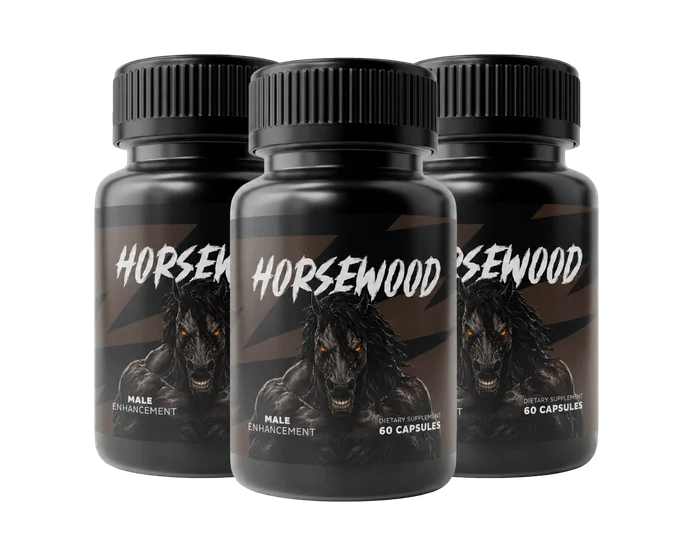
Where Horsewood sits on this
Horsewood is a botanical formula whose mineral is boron rather than zinc or magnesium. The ingredient panel, the evidence grade we give each item, and current bundle options are all on the official store page.
See the Official StoreVitamin D: a strong association and a weaker intervention
Observational data has repeatedly found that men with lower vitamin D status tend to have lower testosterone. That association is consistent enough to have generated real research interest. The problem is what happened when it was tested directly: a small randomised trial reported increases after a year of supplementation, while a later trial in men with normal vitamin D levels found no effect on testosterone at all.
The most likely explanation is the same one that applies to zinc. Association studies pick up men who are deficient, and deficiency travels with other things — less time outdoors, higher body weight, poorer general health — that are themselves linked to lower hormone levels. Fixing the vitamin D does not necessarily fix the rest.
What makes vitamin D worth a mention anyway is the UK specifically. Between October and March the sun is too low in the sky for the skin to make meaningful amounts, which is why national guidance suggests considering a daily 10 microgram (400 IU) supplement through autumn and winter. That advice exists for bone and muscle health, not for vitality — but if you were going to take one thing off this list without testing anything, it is the defensible one.

Doses, forms and what the label should tell you
The practical test of any product in this category is whether you can compare its label against a reference intake. If the panel gives per-ingredient amounts you can do that in thirty seconds. If it gives a single blend weight, you cannot do it at all.
| Nutrient | Forms worth preferring | Adult male reference intake | Evidence for male vitality |
|---|---|---|---|
| Zinc | Citrate, picolinate, gluconate | ~9.5 mg (UK) / 11 mg (US) | Reasonable in deficiency, weak otherwise |
| Magnesium | Citrate, glycinate, malate | ~300 mg (UK) / 400–420 mg (US) | Indirect — sleep and muscle function |
| Vitamin D3 | Cholecalciferol, with fat | 10 mcg (400 IU) UK winter advice | Strong association, inconsistent when tested |
| Boron | Chelate, citrate | No formal reference intake | Small human studies on hormone metabolism |
| Magnesium oxide | Generally avoid | — | Poorly absorbed; mostly a laxative effect |
Two label details do most of the work. Check for elemental weight rather than compound weight — 500 mg of magnesium citrate is not 500 mg of magnesium, and the gap is large. And check whether the amount is anywhere near the reference intake at all, because a "supports healthy testosterone" claim can legally sit above 2 mg of zinc.
Correcting a deficiency and enhancing normal function are two different projects. Almost all the encouraging nutrient research in male health belongs to the first one, and almost all the marketing is written as if it belonged to the second.
How minerals sit alongside botanicals
Most products in this space are botanical blends, and the mineral content is a supporting cast rather than the headline. Horsewood is built the same way — seven botanical extracts with boron as the mineral, which has its own small body of human research on free testosterone and oestradiol metabolism rather than the zinc and magnesium literature discussed here.
That is worth knowing before you buy anything. If your actual problem is a zinc or vitamin D shortfall, a botanical blend is not the tool for it, and the cheapest possible single-nutrient supplement will do the job better. If you are looking for the best male enhancement pills UK sellers stock in the hope of a general lift in energy and drive, understand that you are buying a botanical bet, not a nutritional correction. Those are different purchases with different odds.
The same logic applies to the wider category. People searching "are testosterone boosters worth it" are usually asking whether the whole shelf does anything, and the answer depends entirely on where they started. Someone with a genuine deficiency and someone with perfectly normal bloods will get very different results from the same capsule.
What these nutrients cannot do
They cannot treat erectile dysfunction, they cannot treat clinically low testosterone, and they cannot fix a fertility problem. Those are medical conditions with medical investigations behind them, and a capsule bought online is not a substitute for a blood test and a consultation. If drive or function has changed noticeably over a short period, that is a reason to see a doctor rather than to shop.
They also cannot overcome the basics. No dose of magnesium compensates for five hours of sleep, and no amount of zinc offsets heavy drinking. The nutrients on this page are a floor, not a lever — you want to be standing on it, but standing on it harder does not make you taller.
And they are slow. Repleting a vitamin D level takes months, not days. Any product promising a noticeable same-week change from a mineral is describing something the underlying biology does not support.
A sensible way to test this on yourself
If you want to know whether any of this applies to you, the order of operations matters. Ask your GP about a 25-hydroxyvitamin D test, particularly at the end of winter, because it is the one measurement here that gives a clear answer. Zinc and magnesium blood tests are much less informative, since most of the body's stores sit inside cells rather than in serum, so for those two the useful question is dietary rather than diagnostic.
Then change one thing at a time and give it eight to twelve weeks. Running a new mineral, a new botanical and a new training block simultaneously guarantees you learn nothing. Keep sleep and alcohol roughly constant across the trial, because both move the outcomes you are trying to measure more than any supplement on this page will — and a fixed time of day for the dose is the cheapest way to keep the rest of the routine constant too. If your reason for reading this is erectile change rather than energy, start instead with our realistic view of natural ED support supplements, and if it is urinary symptoms, with our survey of what the evidence shows for prostate supplements.
Finally, buy from somewhere that publishes the full panel. Whether you end up comparing prices for the best male enhancement pills near me searches throw up, or ordering direct from a manufacturer, the label is the only part of the transaction that can be independently checked.
See the Horsewood formula and current bundles
Seven botanicals and boron, with every ingredient listed and graded by how much human data sits behind it. If you were working out where to buy testosterone booster style formulas without a reseller in the middle, the official store is the only link we carry.
Check AvailabilityFrequently asked questions
Do zinc, magnesium and vitamin D work as male enhancement pills?
They are not enhancement agents. All three are essential nutrients, and the research that looks good is almost entirely research in men who were short of them to begin with. If your intake and blood levels are already adequate, adding more has not been shown to push normal function above normal. That is the single most useful thing to understand about this category.
How much zinc is safe to take daily?
Reference intakes for adult men sit around 9.5 mg a day in the UK and 11 mg in the US, and most men reach that from food. Supplements in this category commonly supply 10 to 25 mg. The tolerable upper level from all sources is 40 mg a day in US guidance, and taking more than that for months can interfere with copper status.
Which form of magnesium is best in a supplement?
Magnesium citrate, glycinate and malate are absorbed better than magnesium oxide, which is cheap, poorly absorbed and more likely to loosen the bowels. Check the label for elemental magnesium rather than the weight of the whole compound, because the two numbers can differ by a factor of five or more.
Should I get a blood test before taking these?
For vitamin D it is genuinely useful, because a 25-hydroxyvitamin D test tells you whether you have anything to correct. Zinc and magnesium blood tests are less informative, since most of the body stores sit inside cells rather than in the bloodstream. If you are worried about energy, drive or a hormone level, ask a doctor to test rather than guessing from a supplement label.
References
- NIH Office of Dietary Supplements — Zinc fact sheet for health professionals
- NIH Office of Dietary Supplements — Magnesium fact sheet for health professionals
- NIH Office of Dietary Supplements — Vitamin D fact sheet for health professionals
- PubMed — Prasad et al., zinc status and serum testosterone levels of healthy adults (Nutrition, 1996)
- Mayo Clinic — Vitamin D: uses, dosing and cautions
About Horsewood, the product this site covers
Horsewood is a two-a-day gelatin capsule sold for male vitality, carrying seven openly dosed ingredients — tongkat ali, horny goat weed, saw palmetto, wild yam, sarsaparilla, nettle leaf and boron amino acid chelate — at 60 capsules a bottle. Our Horsewood ingredients, price and official website guide reads the Supplement Facts panel line by line and compares each amount with the amount its supporting trial actually used. The rest of this research library is indexed on the Horsaewood evidence blog.
Affiliate disclosure (FTC 16 CFR Part 255). Horsaewood Media is an independent publisher, not the manufacturer or seller. Links marked “Get Offer” are affiliate links: if you buy through one we may earn a commission at no extra cost to you, and that commission has not changed what this article says about the evidence. FDA statement. These statements have not been evaluated by the Food and Drug Administration. Dietary supplements are not intended to diagnose, treat, cure or prevent any disease. This article is information, not medical advice — see our medical disclaimer.