Best Men's Libido Supplements: What to Compare
Quick Answer: How Do You Pick the Best Men's Libido Supplements?
The best men's libido supplements are not a fixed top-ten list; they are whichever product matches your situation and survives verification. Score every candidate on five columns: studied ingredients, disclosed per-ingredient doses, third-party testing, a written guarantee, and honest price per day. The one that clears all five is your best fit.
- Best-studied botanicals: ashwagandha and maca lead, with tongkat ali and L-citrulline behind.
- Deal-breaker: a proprietary blend that hides the actual doses.
- Reframe: "best" means best-fit and best-verified, not a universal winner.
Search for the best men's libido supplements and you will get a hundred ranked lists, most of them assembled by whoever is paid the most to sit at number one. Those lists feel helpful and teach you nothing, because the ranking rarely explains the reasoning. This guide takes the opposite approach. Instead of handing you a winner, it hands you the five criteria a good buyer uses, so you can walk into any comparison — including one that features Horsewood — and score the products yourself. Learn the method once and you never need another sponsored list again.
The honest headline is that "best" is the wrong word for this category. There is no single supplement that is best for every man, because the thing you are trying to influence — desire, drive, that hard-to-name sense of vitality — is shaped by sleep, stress, age, medication, relationships and baseline health far more than by any capsule. What exists instead is best-fit and best-verified: the product whose ingredients you can check, whose doses are disclosed, and whose seller stands behind it. That is what we will teach you to find.

Criterion 1: Are the ingredients actually studied?
Start with what is in the bottle and whether there is human research behind it. A handful of libido and vitality botanicals recur across the better products, and they are worth knowing by name because they let you distinguish a serious formula from a pixie-dust one.
Ashwagandha has some of the strongest human evidence in the group, mostly for stress and stress-linked measures of sexual well-being, with several small randomised trials behind standardised root extracts. Maca is the classic libido botanical, with a handful of small trials reporting improvements in self-rated desire, notably without acting on testosterone. Tongkat ali (Eurycoma longifolia) has a smaller but genuinely interesting body of work around stress hormones and energy, which we unpack in our dedicated review of the tongkat ali evidence on cortisol and energy. And L-citrulline sits slightly apart: it is studied for blood flow via nitric oxide rather than for desire itself, a mechanism we cover in the piece on what the L-citrulline and arginine blood-flow evidence actually shows.
The caveat, applied evenly, is that these are small studies, frequently industry-funded, measuring subjective outcomes that respond strongly to placebo. Studied is not the same as proven. But an ingredient with a few real trials is a different proposition from one with only a nice-sounding name, and that distinction is your first filter.
Criterion 2: Are the doses disclosed?
This is the single most powerful filter, and it eliminates a large share of the market instantly. A product either tells you exactly how many milligrams of each ingredient it contains, or it hides everything inside a "proprietary blend" and gives you only the total weight. The first lets you compare the dose against the amount used in the studies. The second is designed so you cannot.
Why does it matter so much? Because a blend can put a photogenic ingredient on the front of the label and include a clinically meaningless trace of it. If the panel says "Men's Vitality Blend 900 mg" and lists eight ingredients, any one of them could be present at 5 mg or 500 mg and you would never know. Disclosed dosing is the difference between buying a formula and buying a mystery. Treat a hidden proprietary blend as a near-automatic disqualifier, however good the marketing around it is.
Criterion 3: Is there third-party testing?
Supplements are lightly regulated compared with medicines, which puts more of the quality burden on the manufacturer's honesty. Independent third-party testing — whether for label accuracy, contaminants, or banned substances — is how a brand converts "trust us" into "here is proof." It is not a legal requirement, so a company that does it is choosing to spend money on verification it could have skipped. That choice is a meaningful signal.
Look for named testing, a certificate of analysis on request, or a recognisable third-party mark. Be appropriately sceptical of vague "lab tested" claims with no named lab and nothing to inspect, which are as easy to write as any other marketing line. This criterion will not always separate products cleanly, because plenty of decent formulas skip formal certification, but where it is present it earns real points.
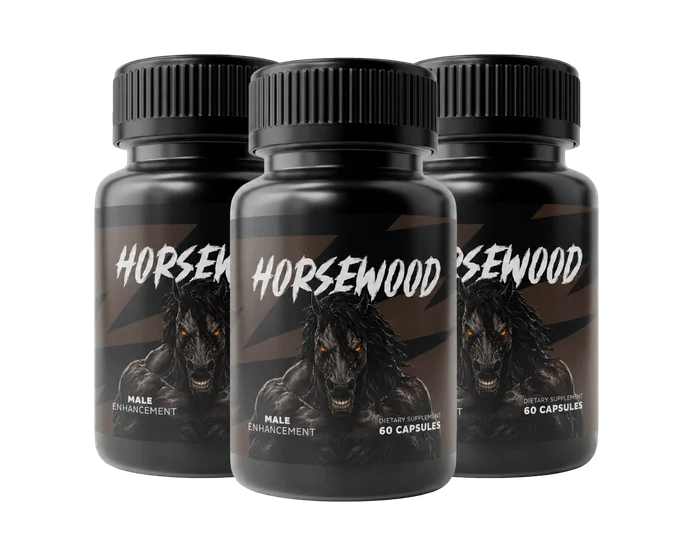
Score Horsewood against these five criteria
Horsewood publishes its ingredient panel and bundle pricing, which is exactly what a fair comparison needs. Open the store and run the same five checks this guide describes.
See the Formula & PricingCriterion 4: Is there a money-back guarantee?
Because results in this category vary so much from person to person, a written money-back guarantee is not a nicety — it is the mechanism that makes trying a product rational. It caps your downside. If the formula does nothing for you, a genuine guarantee turns a bad purchase into a refunded one, provided you read the terms. And the terms are where the differences hide: the length of the window, whether opened bottles qualify, whether you need a return authorisation, and who pays return postage. Horsewood is a useful worked example here, because its terms are published in full — we read them line by line in our breakdown of what the 60-day money-back guarantee actually covers, including whether opened bottles qualify.
A confident, specific guarantee also tells you something about the seller. A company that offers a real refund window is betting that enough customers will be satisfied to keep the business viable, which is not a bet a pure scam wants to make. Pair this criterion with the seller checks in our guide to whether Horsewood is legit and how to judge any supplement seller, because a guarantee is only as good as the business standing behind it.
Criterion 5: What is the real price per day?
Sticker price is misleading because bottles differ in serving count and daily dose. The only fair way to compare cost is to convert everything to price per day: total price divided by the number of days the bottle lasts at the recommended serving. A cheaper bottle that runs out in twenty days can cost more per day than a pricier bottle that lasts sixty. Do this arithmetic for every product on your shortlist and the true value ordering often changes.
Multi-bottle bundles usually lower the price per day, which is why sellers offer them, but only buy the bigger bundle if you are genuinely committed to a full trial — and this category needs eight to twelve weeks to judge, not one. Do not let a per-day saving talk you into more product than you will realistically use if the first month does nothing for you.
A more expensive supplement with a hidden blend can be a worse buy than a cheaper one that discloses clinical doses and offers third-party testing. You are comparing verifiable substance, not the size of the price tag.
Putting the five criteria into one scorecard
Here is the whole method on one screen. Give each product a simple pass, partial or fail on each column, and the best-fit choice tends to reveal itself — not as the flashiest name, but as the one that quietly clears the most checks.
| Criterion | What "good" looks like | Red flag |
|---|---|---|
| Studied ingredients | Maca, ashwagandha, tongkat ali, L-citrulline with human trials | Novelty ingredients with only a name behind them |
| Dose disclosure | Milligrams listed per ingredient | Everything hidden in a proprietary blend |
| Third-party testing | Named testing or certificate of analysis available | Vague "lab tested" with no proof |
| Guarantee | Written refund window with clear terms | No guarantee or "all sales final" |
| Price per day | Reasonable once converted from bottle price | Cheap sticker, tiny serving count |
Notice what the scorecard does not include: a promise that the winner will work for you. Even the best-scoring product on this grid is a considered bet, not a certainty. What the method buys you is confidence that you paid for real, checkable substance rather than for the marketing — and a refund route if the bet does not pay off. To see how the checklist applies to one panel in detail, our Horsewood ingredients label walkthrough reads each line against reference doses.

Where Horsewood fits the criteria
Applied to Horsewood specifically, the framework is straightforward. It is a botanical formula that publishes its ingredient panel and its bundle pricing, which means you can perform criteria one, two and five yourself in a couple of minutes — check the ingredients against the studied list, confirm the doses are disclosed rather than blended, and convert the bundle price to a per-day figure. The refund policy on the store covers criterion four. That is more transparency than a large slice of the category offers, and it is exactly the transparency this method rewards.
What the framework will not do — for Horsewood or anyone else — is tell you the capsule will lift your libido. That depends on where you are starting from, and the biggest levers are often not in a bottle at all. Before you spend on any formula, it is worth reading our foundations piece on how sleep and stress shape male libido, because fixing a five-hour sleep habit will out-perform most supplements on this shelf. Buy the best-verified product, yes — but buy it as one input alongside the basics, not as a replacement for them.
Compare the ingredients, doses and price per day
Horsewood's panel and bundles are laid out so you can run this five-criteria scorecard for yourself. Open the store and see how it measures up.
Check AvailabilityFrequently asked questions
What are the best men's libido supplements?
There is no single winner, because the best men's libido supplements are the ones that match your situation and pass verification. Look for products built on studied ingredients such as maca, ashwagandha, tongkat ali and L-citrulline, at disclosed doses, with third-party testing, a written guarantee and a reasonable price per day. A product that clears those five checks is a defensible buy; a ranked list that ignores them is marketing.
Which ingredients have the most evidence?
Among libido and vitality botanicals, ashwagandha and maca have the most human trial support for sexual well-being and stress-related outcomes, though the studies are small and often industry-funded. Tongkat ali has promising but smaller evidence, and L-citrulline is studied mainly for blood-flow rather than desire. None of it is treatment-grade proof, so weigh evidence as one criterion among several, not as a guarantee of results.
How do I compare libido supplements fairly?
Compare on five fixed criteria: are the ingredients actually studied, are the per-ingredient doses disclosed rather than hidden in a proprietary blend, is there third-party testing, is there a money-back guarantee, and what is the real price per day. Scoring each product on the same five columns removes the marketing noise and lets you compare a premium bottle and a budget one on the same terms.
Is a pricier supplement always better?
No. Price reflects branding, packaging and margin at least as much as ingredient quality. A more expensive product with a hidden proprietary blend can be a worse buy than a cheaper one that discloses clinical doses and offers third-party testing. Convert everything to price per day and pair it with the other four criteria, so you are paying for verifiable substance rather than for the label.
Related reading
How sleep and stress shape male libido
The levers that out-perform most supplements before you buy one.
IngredientL-citrulline and arginine blood-flow evidence
What the nitric-oxide research does and does not support.
Buyer guideIs Horsewood legit? A buyer's guide
The checkout, contact and refund signals that mark a real seller.
FormulaHorsewood ingredients label walkthrough
Reading the panel line by line against published reference doses.
References
- NIH NCCIH — Maca: what the science says
- NIH NCCIH — Ashwagandha overview
- PubMed — Tambi et al., standardised water-soluble Eurycoma longifolia (tongkat ali) extract in men with late-onset hypogonadism (Andrologia, 2012)
- NIH Office of Dietary Supplements — Ingredient fact sheets
- US FDA — Dietary supplements and how they are regulated
About Horsewood, the product this site covers
Horsewood is a two-a-day gelatin capsule sold for male vitality, carrying seven openly dosed ingredients — tongkat ali, horny goat weed, saw palmetto, wild yam, sarsaparilla, nettle leaf and boron amino acid chelate — at 60 capsules a bottle. Our Horsewood ingredients, price and official website guide reads the Supplement Facts panel line by line and compares each amount with the amount its supporting trial actually used. The rest of this research library is indexed on the Horsaewood evidence blog.
Affiliate disclosure (FTC 16 CFR Part 255). Horsaewood Media is an independent publisher, not the manufacturer or seller. Links marked “Get Offer” are affiliate links: if you buy through one we may earn a commission at no extra cost to you, and that commission has not changed what this article says about the evidence. FDA statement. These statements have not been evaluated by the Food and Drug Administration. Dietary supplements are not intended to diagnose, treat, cure or prevent any disease. This article is information, not medical advice — see our medical disclaimer.