Saw Palmetto vs Beta-Sitosterol for Prostate
Quick Answer: Saw Palmetto or Beta-Sitosterol for Prostate?
Neither is a clear winner. Beta-sitosterol has several trials reporting better urinary symptom scores at roughly 60–130 mg of sterols a day, while large high-quality saw palmetto trials at about 320 mg a day often found no advantage over placebo. Both are studied for symptom support, not treatment, and prostate symptoms need a doctor's review first.
- Saw palmetto: ~320 mg/day standardised extract; big trials mostly neutral.
- Beta-sitosterol: ~60–130 mg/day sterols; some positive symptom-score trials.
- Shared limit: mixed evidence, modest effects, no cure claim.
If you are weighing saw palmetto vs beta-sitosterol for prostate support, you have already narrowed the field to the two most-studied botanicals on the shelf — which is the right instinct. Both turn up in almost every prostate formula, both are marketed for the same cluster of ageing-male urinary complaints, and both are backed by research that is more interesting and more mixed than the packaging suggests. This guide lays the two side by side on the things that matter: the doses actually used in studies, what the evidence does and does not show, and where the honest line sits between symptom support and a medical claim.
One ground rule before we start, because it shapes everything below. Urinary symptoms in older men — a weaker stream, getting up at night, a sense of not emptying fully — are common and usually benign, but they overlap with conditions that need real medical assessment, including benign prostatic hyperplasia and, rarely, more serious problems. Nothing in this article is a diagnosis or a treatment recommendation. It is a comparison of two supplement ingredients, written for someone who is going to talk to a doctor about their symptoms and wants to understand the options intelligently.
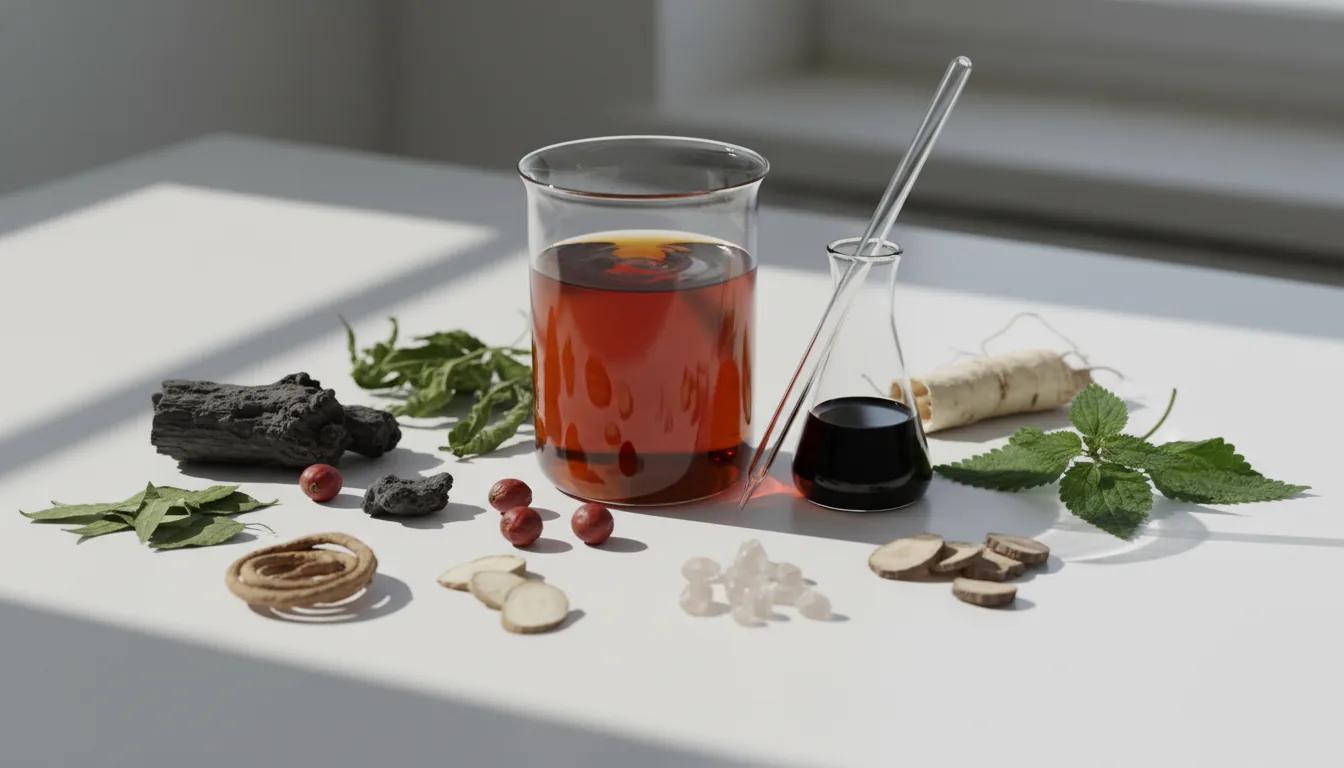
Saw palmetto vs beta-sitosterol: what each one actually is
They are easy to confuse because they travel together, but they are different things. Saw palmetto is an extract of the berry of the Serenoa repens palm, and the active material is a fraction of fatty acids and sterols pulled out of the fruit. The extract that has been studied is standardised, fat-soluble, and specific; a cheap saw palmetto product made from ground raw berry is not the same preparation that appeared in the trials, even if the front of the bottle uses the same name.
Beta-sitosterol is a single class of plant sterol found across many plants — a purified compound rather than a whole-plant extract. It is one of the constituents present in small amounts within saw palmetto itself, which is part of why the two are theorised to work along overlapping pathways. But as a supplement, beta-sitosterol is dosed as isolated sterols, and the trials measured those sterols directly. That distinction — whole standardised extract versus isolated compound — is the first thing to hold in mind when you compare them.
What doses are used in the studies?
This is where a label check earns its keep, because the studied doses are specific and many products miss them. Saw palmetto is most commonly studied at around 320 mg per day of a standardised liposterolic extract, given either as a single 320 mg dose or as 160 mg twice daily. Beta-sitosterol trials have typically used somewhere in the region of 60 to 130 mg of sterols per day, usually split into two or three doses. Those numbers are your yardstick.
The trap is that supplement labels love to advertise big raw-weight numbers. "Saw palmetto 1,000 mg" of raw berry powder is not equivalent to 320 mg of the standardised extract that was tested, and "prostate blend 800 mg" tells you nothing about how much beta-sitosterol is actually inside. As with any category, the useful skill is reading the panel for the standardised extract and the real sterol content rather than the marketing weight — the same label-literacy we apply in our Horsewood ingredients label walkthrough. If a product cannot tell you it hits the studied dose, assume it does not.

What the evidence shows for urinary symptoms
Here is where the two genuinely diverge, and it is not in the direction the marketing implies. Beta-sitosterol has the more encouraging trial record for symptoms: several randomised, placebo-controlled studies reported improvements in urinary symptom scores and in measured flow over a few months of use. A systematic review of that literature concluded the sterols improved symptom scores, while noting the trials were short and the long-term picture was unknown.
Saw palmetto, by contrast, has been tested more rigorously and come out looking weaker. Early small studies were promising, but the large, well-designed trials — including sizeable government-funded studies that even escalated the dose — generally found saw palmetto no better than placebo for urinary symptoms and flow. That is an unusually clean example of a supplement whose reputation was built on small trials and did not survive bigger ones. We go through that saw palmetto record in detail in our review of what the saw palmetto prostate evidence actually shows, because it is a genuinely useful case study in how supplement claims age.
So on the narrow question of urinary symptom support, beta-sitosterol has the stronger hand on the current evidence — with the heavy caveat that "stronger" here still means modest, short-term, and symptomatic. Neither ingredient has been shown to change the underlying prostate, and neither is a substitute for assessment.
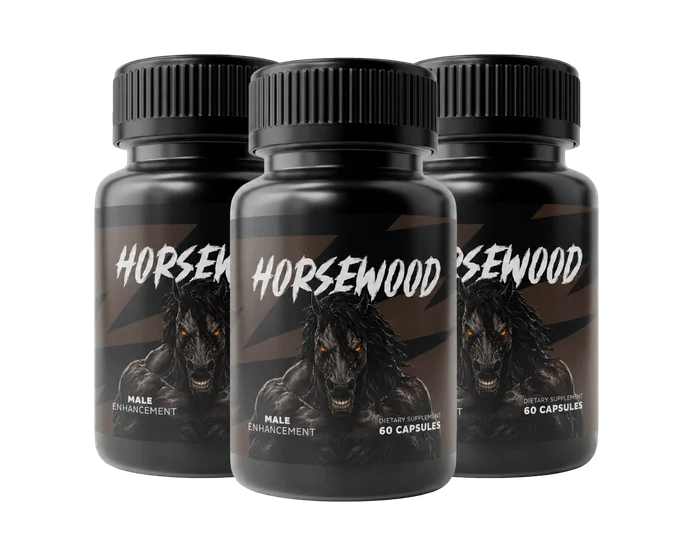
See how Horsewood approaches its formula
Horsewood publishes its full ingredient panel with each item graded by how much human data sits behind it — exactly the transparency this comparison rewards. Read the label and current bundles on the official store.
See the Official StoreSide-by-side: the honest comparison
Reduced to the essentials, here is how the two ingredients line up on the things a buyer can actually check.
| Factor | Saw palmetto | Beta-sitosterol |
|---|---|---|
| What it is | Standardised berry extract (Serenoa repens) | Isolated plant sterol |
| Typical study dose | ~320 mg/day standardised extract | ~60–130 mg/day sterols |
| Symptom-score evidence | Large trials mostly neutral vs placebo | Several positive short-term trials |
| Flow measures | Little consistent benefit | Some measured improvement |
| Label trap | Raw berry powder ≠ standardised extract | Blend weight hides real sterol amount |
| Honest framing | Symptom support, mixed evidence | Symptom support, modest evidence |
Neither ingredient treats an enlarged prostate. At best they may ease certain urinary symptoms modestly, in some men, for a while. Symptom relief and treatment are not the same thing — and only a doctor can tell you which you actually need.
Can you take both together?
You will notice that many prostate formulas simply include both, and there is a logic to it: they are thought to act along related pathways, there is no established dangerous interaction between the two, and combining them hedges the bet. What there is not, however, is good evidence that the combination outperforms either ingredient on its own. Stacking them is a reasonable convenience, not a proven upgrade, and you should not pay a premium on the assumption that two half-hearted doses beat one studied one.
The more important point about combining is safety and clarity. Both ingredients can ease symptoms, and easing a symptom can mask a change that a doctor would want to know about. If you have urinary changes, a PSA question, or you take other medication, run any prostate supplement — single or combined — past a doctor or pharmacist first. That is not boilerplate; it is the one step that genuinely protects you in this category.
Where these sit alongside the rest of a prostate stack
Saw palmetto and beta-sitosterol are the headline acts, but they share the bottle with supporting players — commonly zinc, selenium, pygeum, pumpkin seed and lycopene — whose individual evidence ranges from thin to moderate. If you want the wider map of what does and does not have support, our overview of what the evidence shows across prostate supplements puts the whole category in context rather than one ingredient at a time.
It is also worth remembering that some of the most-hyped minerals in men's formulas are worth the least once your intake is already adequate. We made that case in detail for zinc, magnesium and vitamin D in male vitality, and the same logic applies here: correcting a genuine shortfall can help, but piling more of a nutrient onto normal levels rarely does. A prostate formula is a collection of modest bets, and reading it clearly means grading each bet honestly rather than trusting the longest ingredient list.
How to choose between them, practically
If you are set on trying one, the current evidence gives beta-sitosterol a slight edge for urinary symptom support at the studied dose, so it is a defensible first experiment — provided the product actually delivers 60 to 130 mg of sterols and not a token amount buried in a blend. If you prefer saw palmetto for other reasons, choose a standardised extract at 320 mg a day and go in with tempered expectations, because the larger trials suggest many men feel no difference. Either way, give it eight to twelve weeks, change one thing at a time, and keep a simple note of your symptoms so you are judging the result on data rather than hope.
And keep the escape hatch in view. If symptoms are new, worsening, painful, or accompanied by blood, a supplement is the wrong tool and a doctor is the right one. The whole point of understanding saw palmetto vs beta-sitosterol is to be an informed participant in that conversation — not to replace it.
Read the full formula and how each ingredient is graded
Horsewood lists every ingredient with the weight of human evidence behind it, so you can compare doses against the studies rather than the marketing. See the panel and current bundles on the official store.
Check AvailabilityFrequently asked questions
Is saw palmetto or beta-sitosterol better for prostate?
Neither is clearly better, and the honest answer is that the evidence for both is mixed. Beta-sitosterol has some randomised trials reporting improved urinary symptom scores and flow, while large high-quality trials of saw palmetto have often found it no better than placebo for the same measures. Both are studied for symptom support, not as a cure, and prostate symptoms always warrant a doctor's assessment first.
What doses are used in studies?
Saw palmetto is most commonly studied at around 320 mg per day of a standardised fat-soluble extract, taken either as one dose or split. Beta-sitosterol trials have typically used roughly 60 to 130 mg of sterols per day, also split across the day. Products vary widely, so check the label for the standardised extract and the actual sterol amount rather than the weight of raw plant powder.
Do these help urinary flow?
The evidence is genuinely mixed. Some beta-sitosterol trials reported improvements in urinary flow and symptom scores over a few months, whereas the largest saw palmetto trials found no meaningful improvement over placebo. Any benefit, where it appears, tends to be modest and symptomatic rather than a change in the underlying prostate. Persistent or worsening urinary symptoms should be evaluated by a doctor rather than self-treated.
Can I take both together?
Many prostate formulas do combine saw palmetto and beta-sitosterol, and there is no established dangerous interaction between them, but combining them has not been shown to be clearly better than either alone. More importantly, both can theoretically affect readings or mask symptoms, so anyone with urinary changes, a PSA concern, or who takes other medication should talk to a doctor or pharmacist before combining supplements.
Related reading
What the saw palmetto prostate evidence shows
How a promising reputation fared once the big trials ran.
OverviewWhat the evidence shows across prostate supplements
The whole category graded, from strong to thin.
FormulaHorsewood ingredients label walkthrough
Reading standardised extracts and sterol amounts against study doses.
MineralsZinc, magnesium and vitamin D for male vitality
Why correcting a shortfall is not the same as enhancement.
References
- NIH NCCIH — Saw palmetto: what the science says
- Wilt T, Ishani A, MacDonald R, Stark G, Mulrow C, Lau J. Beta-sitosterols for benign prostatic hyperplasia. Cochrane Database of Systematic Reviews, 2000. PubMed 10796740
- Barry MJ, Meleth S, Lee JY, et al. Effect of increasing doses of saw palmetto extract on lower urinary tract symptoms: a randomized trial (CAMUS). JAMA, 2011. PubMed 21954478
- NIH Office of Dietary Supplements — Ingredient fact sheets
- Mayo Clinic — Benign prostatic hyperplasia: symptoms and when to see a doctor
About Horsewood, the product this site covers
Horsewood is a two-a-day gelatin capsule sold for male vitality, carrying seven openly dosed ingredients — tongkat ali, horny goat weed, saw palmetto, wild yam, sarsaparilla, nettle leaf and boron amino acid chelate — at 60 capsules a bottle. Our Horsewood ingredients, price and official website guide reads the Supplement Facts panel line by line and compares each amount with the amount its supporting trial actually used. The rest of this research library is indexed on the Horsaewood evidence blog.
Affiliate disclosure (FTC 16 CFR Part 255). Horsaewood Media is an independent publisher, not the manufacturer or seller. Links marked “Get Offer” are affiliate links: if you buy through one we may earn a commission at no extra cost to you, and that commission has not changed what this article says about the evidence. FDA statement. These statements have not been evaluated by the Food and Drug Administration. Dietary supplements are not intended to diagnose, treat, cure or prevent any disease. This article is information, not medical advice — see our medical disclaimer.